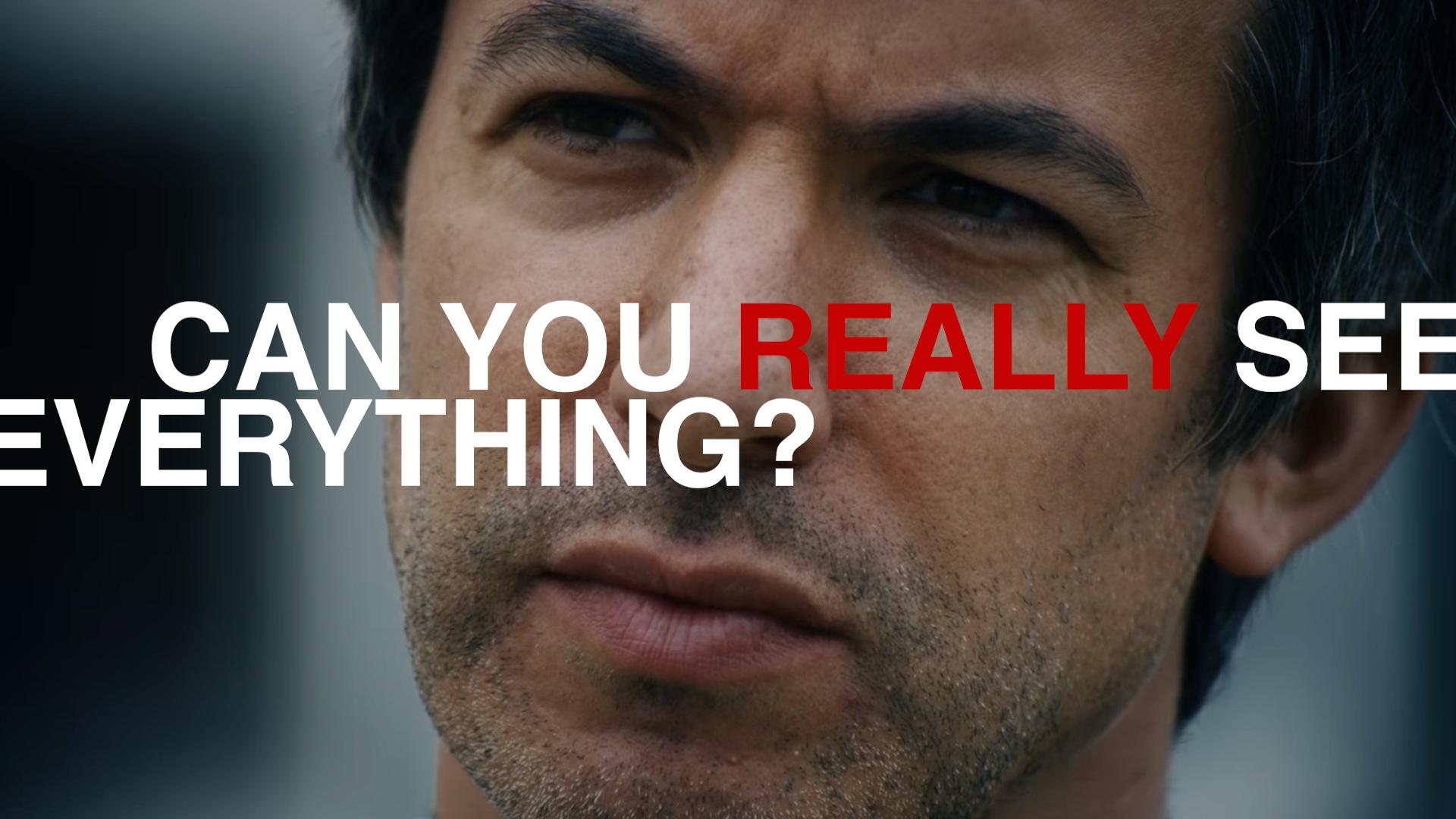
You can watch my spoiler-free video essay about documentary style and You Can See Everything on YouTube.
A camera is capable of seeing everything, but how do we know if a documentary actually reveals the truth?
Recently we’ve received something rare, a blockbuster documentary. You Can See Everything, the recent 3 hour sprawling, self-referential doc about tech fraudster Elizabeth Holmes made by Nathan Fielder and Lance Oppenheim has taken hold of the cultural consciousness. As a long time lover of documentaries, a form of cinema I think is incredibly underrated, I get excited anytime other people are excited about one. I’m even more excited, when that documentary raises and engages directly with the kind of media theory questions I regularly address in my work.
I’ve made videos about Nathan Fielder’s work in the past. My essay, How Real is The Rehearsal looks at the first season of The Rehearsal through the lens of Baudrillard’s Simulation and Simulacra. My essay about The Curse, a limited series co-created by Fielder, is in many ways touches on many of the same subjects this essay and conversation are addressing; questions about style, realism, and how media can filter, manipulates, and reframe what it’s presenting as real, often with the goal of presenting a specific performance or curated version of reality.
All of this comes to a head in You Can See Everything, which takes many of the questions already raised by Fielder’s work and applies them directly to a notorious con artist. It’s a fascinating documentary for many reasons, and it presents a great opportunity to talk about how we approach documentary films, and how we think about what they are and what they’re doing.
In preparation for my video about the film I spoke with Dr. Dario Llinares, the film educator behind the wonderful Cinema Body/Cinema Mind. I knew he would have some interesting insights on this subject, and I was not disappointed. I very much enjoyed this conversation, which we recorded before seeing You Can See Everything (so no spoilers here!). We talk about a lot of other great documentaries, different types of documentary modes, and how thorny all the theory can get when we try to establish the veracity of media. I hope you enjoy.
I’ve made the full conversation available for free, but if you want to support my work you can become a paid subscriber.